


Kat Fulwider: Your Side of the Story


“HONOURING EACH INDIVIDUAL’S EXPERIENCE IS THE BASIS OF THIS WORK.”
A cardboard sign is a form of communication people experiencing homelessness use with the general public. Often it is the only dialogue between these two demographics.
Using art as a vehicle to break down walls of stigma, photographer Kat Fulwider challenges us to look at the human beyond the sign. “What is your story? What is your message?”
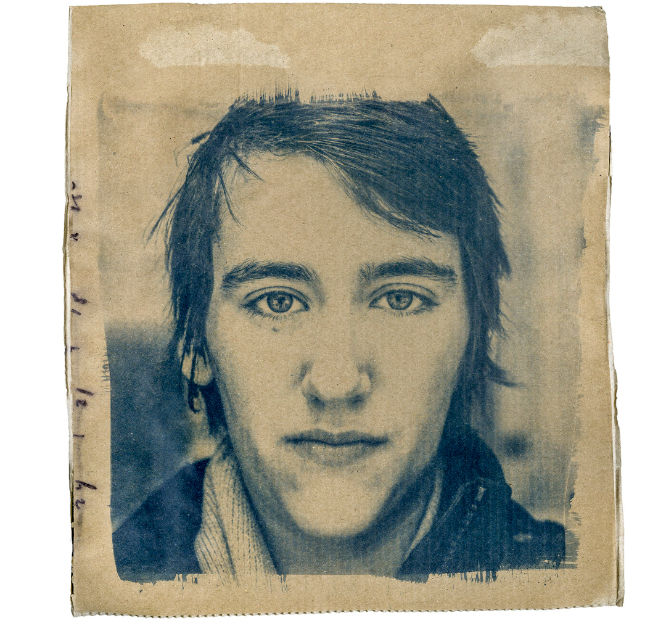
Kat asked these questions to but a few of the 800 youth in Ottawa who don’t have a place to call home. Their answers were communicated in the form of visual artwork, words, and poetry: their emotional accounts of loss, survival, and resilience sketched on cardboard. On this simple material, Kat combined their statements with portraits she created through the cyanotype process.
“Youth homelessness” refers to the experience of young people between the ages of 13 and 24 who are living independently of parents or caregivers and do not have the means or ability to acquire a stable, safe, or consistent residence.


Kat shared how her Your Side of the Story project materialized:
“I met each of these individuals when I began volunteering at Operation Come Home, a social services centre for at-risk and homeless youth. When I first began, I was looking to help fellow youth in my community through art. I was very naive about the challenges these youth face daily. I was not aware of the housing crisis Ottawa is currently facing or the extent of the opioid epidemic and its effects on our young population. I was oblivious to many things when I began this project, but most of all, I was unprepared for the beautiful and heartbreaking relationships that I would eventually form with these youth. I did not know of the magnitude of the front-line workers’ duties and their unrelenting efforts to create a better life for these young people. As there are many complex factors that lead to youth homelessness, the social workers, support workers, and volunteers of Operation Come Home and similar social service centres have an immeasurable undertaking before them.
According to research by the Homeless Hub, some of the greatest factors contributing to youth homelessness are physical, sexual, and emotional abuse; involvement with the child welfare system; homophobia; discrimination; and poverty. Regardless of the events that led to this chapter in the people’s young lives, boundless strength and resilience is held within their pages.
![“Chicken Little, [Cody] Murray” • Cody says, “I find a lot more street people giving and caring than people who have nine-to- five jobs who make, like, six-figure incomes.” This project is dedicated to Cody. He was one of the kindest people I have ever met and I wish that I had had more time with him. We met on a cold January winter night during the “24 hours of homelessness” campaign through Operation Come Home.](https://static.wixstatic.com/media/28c3bc_4119488318f14ff5925804b049ad558c~mv2.jpg/v1/fill/w_980,h_1140,al_c,q_85,usm_0.66_1.00_0.01,enc_avif,quality_auto/28c3bc_4119488318f14ff5925804b049ad558c~mv2.jpg)
When you walk into the Operation Come Home Drop-In Centre, you immediately see memorial canvasses adorning the walls. Printed upon them are the faces of young people surrounded by handwritten notes of love, loss, and wishes for the youth to rest in peace. These are grim reminders of the dangerous realities these youth face every day. I see myself in these faces. I see a fractured reflection of my generation.
My hope is that the people who participated in my project found solace in the expressions of their voices. Every situation is unique; some people knew exactly what they wanted to say and I became the conduit through which they shared their stories. Others were uncertain of how, or even if, they wanted to share their stories. Honouring each individual’s experience is the basis of this work.”
This story featured in our PHOTOGRAPHY + HEALING issue.

Did you enjoy this FREE read?
Consider supporting us!
We'd love your support to continue producing great content for you to enjoy!
and sign up for our e-newsletter to keep up with all our adventures!


